Flying an FPV drone, most pilots have really extreme missions. Some people compare their experiences to video games, not without reason. However, the use of the simulator and real soaring above the ground or crazy races at altitude are disparate things.
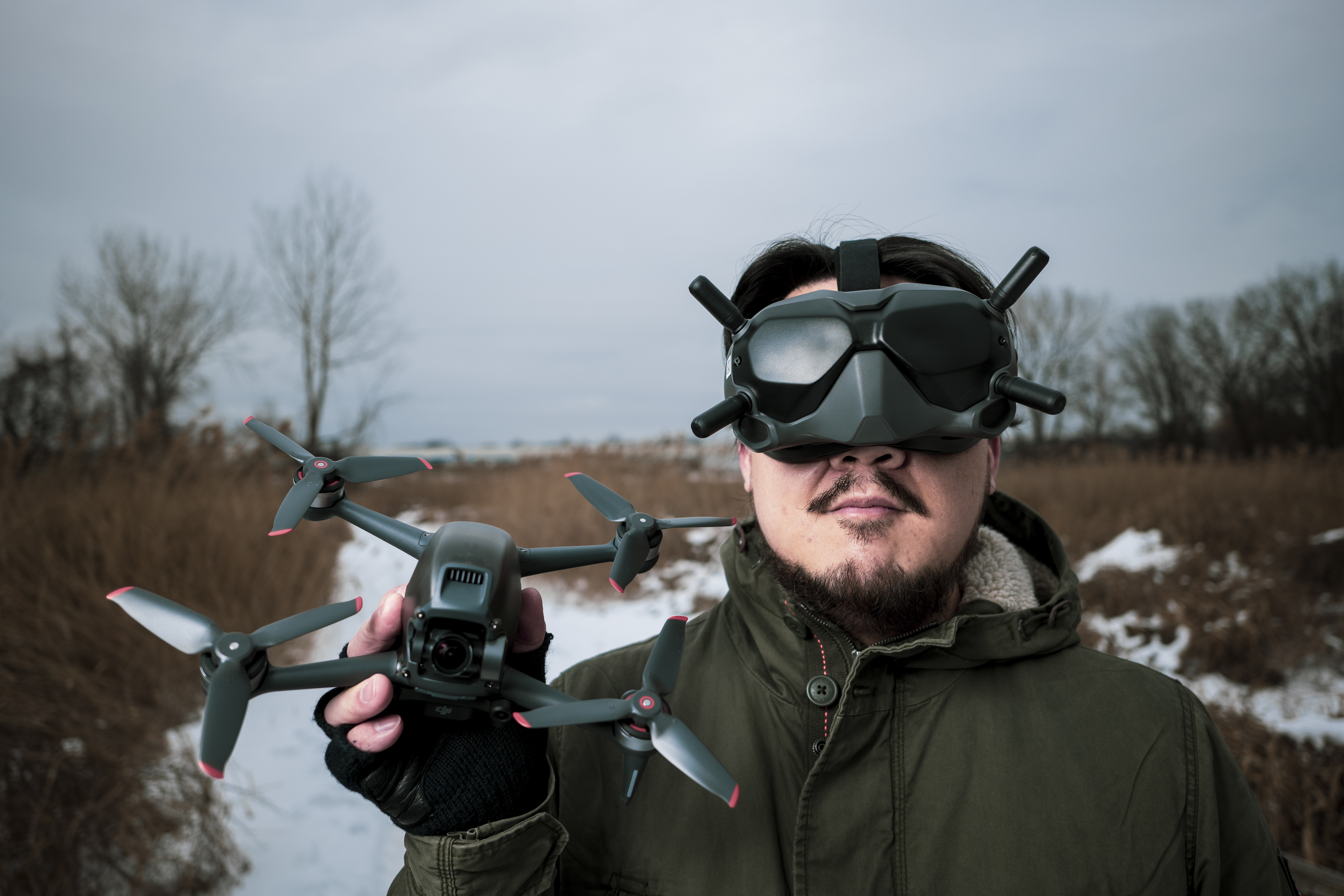
Do you want to clear everything from a “bird’s eye view”? Let’s take a closer look.
FPV Drones – Greatest Functionality
Basic parts for FPV quadcopters are flight, power, and FPV systems. All drone components must be attached to a special frame. It’s about motors, propellers, electronic speed (ESC) and flight controllers. The power system consists of a battery and a power board. An FPV system contains a heading camera, a video transmitter (VTx) and an antenna. If we are talking about the functionality of the model, it’s worth considering the following qualifications:
- Freestylin. Most pilots can improve their control on the FPV quadcopter. In particular, it’s necessary to fly around obstacles and take places that previously seemed unreachable. Such technology increases the maneuverability of the copter and the pilot’s flight skills.
- Racing. The best solution for passing through a number of obstacles, flags and gates. It may seem that there is nothing complicated, but in fact speed is not the main thing here. An important aspect is the FPV pilot’s reflexes and ingenuity when choosing the best route along the track.
- Cinematic. Most people prefer shooting with quadcopters in a compact body. It gives pilots a unique camera view that they won’t find on any other platform. Any typical cinematic 3″ copter flies slower than ordinary FPV drones, but is more stable and can safely fly around people and objects. With the built-in stabilization of the latest version of GoPro action cameras, FPV pilots get amazingly smooth shots.
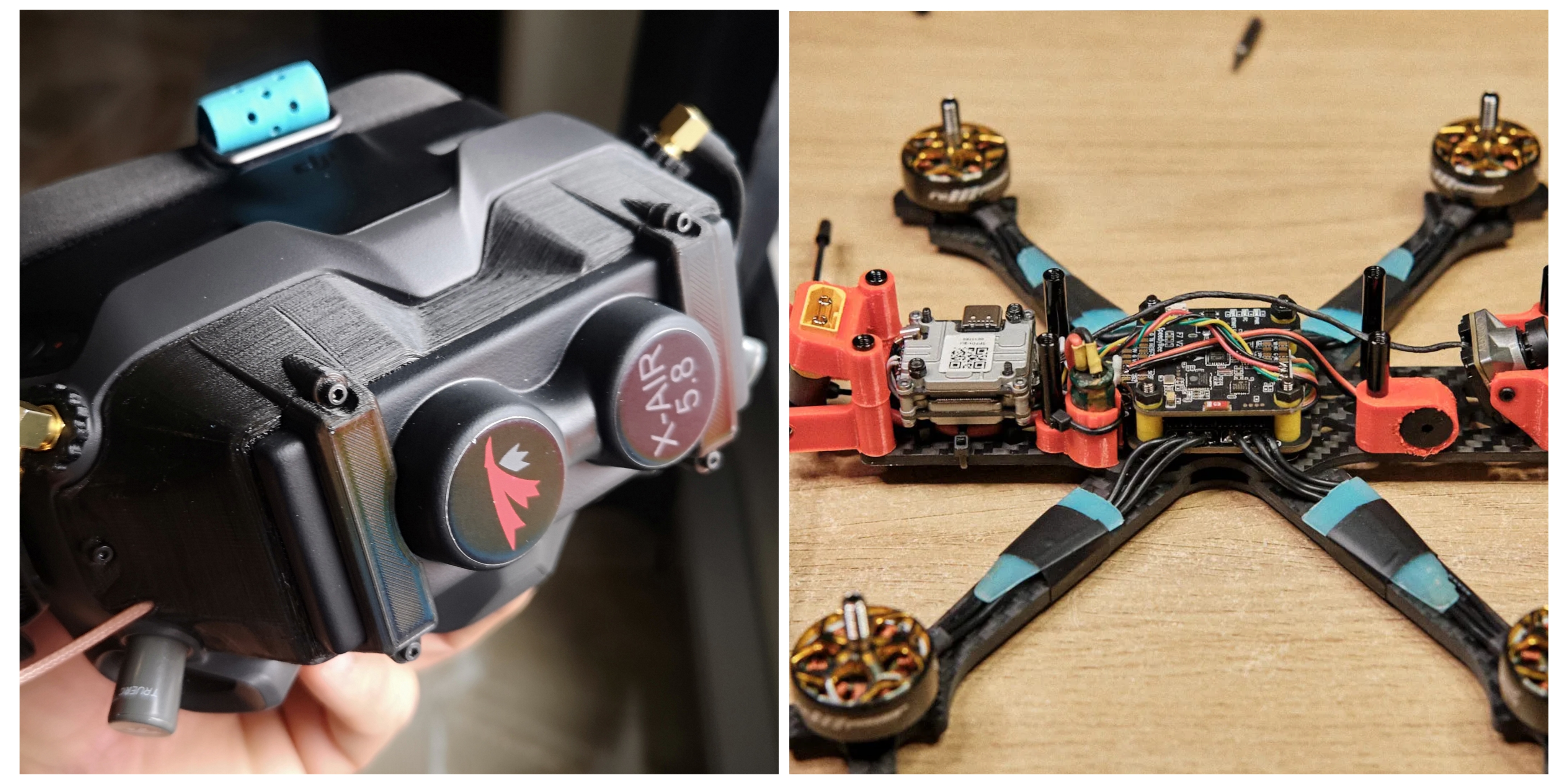
Frames are the basis, the framework of the FPV copters. Such fundamental elements shape the appearance of the aircraft. Manufacturers offer dozens of designs, some enthusiasts prefer their own custom solutions. For choosing the best drone, decide on the aircraft power and size before going to the store.
Frequency Parameters
Most FPV drones are based on 900 MHz, 1.2 GHz, 1.3 GHz, 2.4 GHz, 5.8 GHz and WiFi technology. Each pilot has a different vision. But even so, every beginner should consider the following:
| 2.4 GHz (analog) | The main drawback is the low quality of the frequency for radio signal reception. The large number of devices operating at this frequency affects the quality of the video frame seen by the FPV pilots. |
| WiFi (digital First Person View) | The most universal and most popular data transmission technology for FPV pilots. Almost all low-cost drones are based on such equipment. But signal transmission coverage is limited by the WiFi zone. The delay of the frame is significant and increases with the distance of the FPV drone from the remote control |
| 5.8 GHz (analog) | The best choice for professional RC modelers and hobbyists. With such frequency, most FPV pilots have optimal throughput even if theis drones have flown a long distance. |
When it comes to choosing a RC for an FPV drone, the main criteria are size and the latency – time (in milliseconds) required for the drone to receive commands from the controller. Thus, a lower delay will be preferable for most pilots.
How to Choose the Right FPV – Key Features
Drone pilots who constantly launch their aircrafts like Mavic 3T, Autel 4T, or other analogs somehow heard about the abbreviation FPV. Every year the prices for such models are reduced and people will be able to experience the flight of a bird. Here are the obvious advantages of this new technology:
- Price from $500 to $1000
- Flexibility of customization
- Control with a smartphone
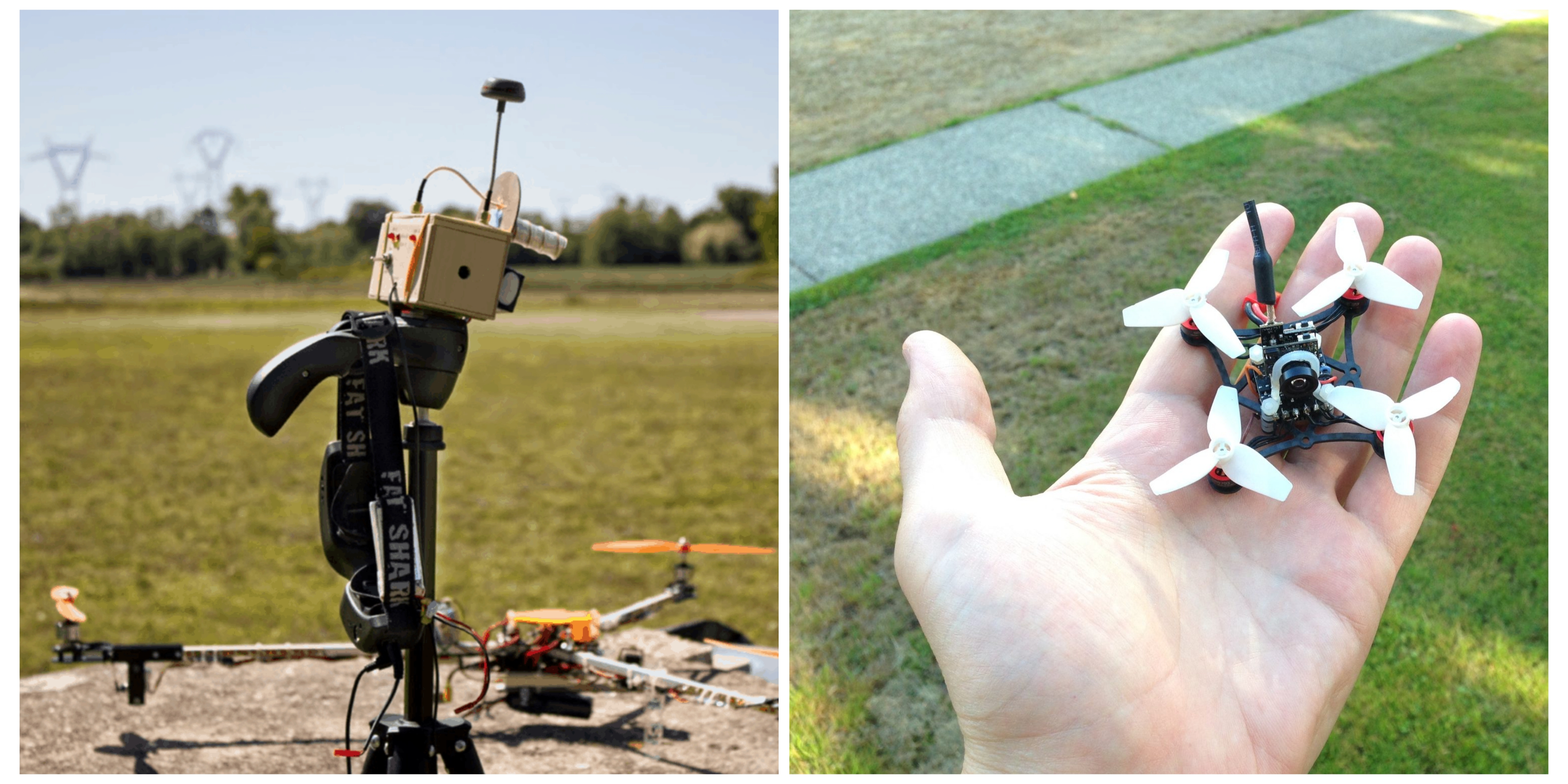
Those who decide to switch to FPV will have only 2 options – purchase a quadcopter or try to make an original model. In order not to waste time and money, beginners should consider the following features:
| Roll(Tilting to one side) | The angle of rotation around the longitudinal axis (left, right). |
| Pitch | The angular movement of an FPV drone relative to the main (horizontal) transverse axis of inertia. |
| Thrust | The force that is generated by motors and pushes the drone through the air. It affects the speed at which the FPV quadcopter climbs. |
| Yaw | The angular movement of an FPV drone relative to a vertical axis, for small changes in course to the right or left. |
The flight controller is a basic system of an FPV drone. Developers add built-in sensors that provide data to the software (about the quadcopter’s orientation) and also receive input from the pilot. Most models can be programmed to suit specific needs. However, most FPV drone pilots prefer “ACRO” mode.
Batteries
When choosing a battery for an FPV drone, it’s very important to find balance between weight and power. Most manufacturers prefer lithium polymer models with a nominal voltage of 3.7 V.
Conclusion
Essentially, FPV drones are remote-controlled quadcopters equipped with a camera and video transmitter that streams live video to goggles or a monitor. Due to their incredible maneuverability and speed, such models are becoming increasingly popular among enthusiasts, photographers, videographers and even gamers. But to choose the right FPV drone, such people should find out all technical nuances.
 FPV technology - Best simulators & Current news
Leave a comment